Dolce Gusto Automatic Coffee Machine Explained: A UK Buyer's Guide
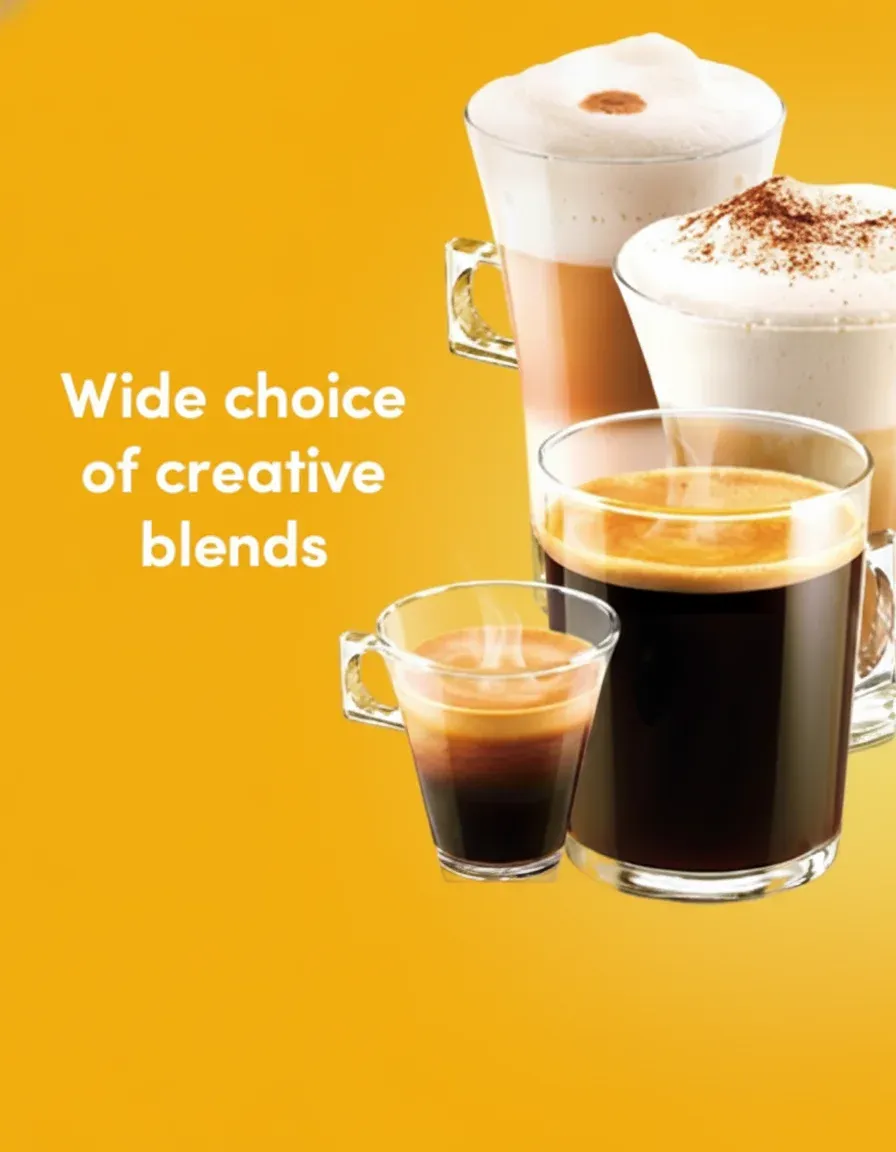
Busy mornings rarely leave much room for faff. If you want coffee-shop style drinks at home without grinding beans, tamping shots or learning barista technique, a dolce gusto automatic coffee machine is designed to make the process simple. For many UK households, that balance of speed, consistency and compact size is exactly the point: press a button, wait moments, and get a drink with proper crema and reliable flavour.
Sipso positions this neatly in its core promise: the best coffee machine for your morning ritual. The appeal of the Nescafé Dolce Gusto system is straightforward. You get a compact machine, automatic controls on selected models, and up to 15-bar pressure to help produce espresso-based drinks with a richer texture than basic low-pressure pod machines.
This guide explains what an automatic Dolce Gusto machine is, how it works, who it suits in the UK, what to look for before buying, and how it compares with other automatic coffee machine types.
Key Takeaways
- A dolce gusto automatic coffee machine uses pods and pre-set water volume controls to make coffee quickly and consistently.
- Automatic models are easier to use than manual pod machines because they stop at the chosen drink volume.
- Nescafé Dolce Gusto machines typically use up to 15-bar pressure, which supports espresso extraction and crema.
- They suit UK buyers who want convenience, compact design and a wide choice of drinks, including black coffee, cappuccino and hot chocolate.
- They are not the same as bean-to-cup machines; pod systems prioritise speed and simplicity over fresh grinding.
- Running cost, pod recycling options, water tank size and counter space are all worth checking before purchase.
What is a Dolce Gusto automatic coffee machine?
A Dolce Gusto automatic coffee machine is a capsule-based coffee maker that uses sealed pods and automated volume settings to prepare drinks with minimal effort. You insert the chosen pod, set the recommended level, start the machine, and it dispenses the drink automatically without you needing to stop the flow by hand.
That “automatic” part matters. On manual pod machines, you usually need to watch the cup and stop the extraction yourself. On an automatic model, the machine is programmed to deliver a set amount of water, helping produce a more consistent result from one cup to the next.
For UK buyers comparing machine categories, this places Dolce Gusto between very basic coffee makers and more involved bean-to-cup models. If you are still weighing broader options, Sipso’s The Ultimate Guide to Coffee Machine Automatic in the UK gives useful context on where pod machines fit in the wider market.
How a Dolce Gusto automatic system works
Pod-based brewing
Each drink uses a sealed capsule containing roasted ground coffee, milk powder or another beverage ingredient depending on the recipe. Because the pod is pre-portioned, there is no measuring, grinding or tamping. That reduces mess and shortens preparation time.
Automatic flow-stop controls
Automatic Dolce Gusto machines usually let you select a recommended water level shown on the capsule packaging. Once started, the machine dispenses the programmed amount and stops on its own. This is especially useful on rushed weekday mornings when multitasking is normal.
15-bar pump pressure
Nescafé Dolce Gusto machines are widely marketed with up to 15-bar pump pressure. In practical terms, this is intended to help extract espresso with body and crema rather than the flatter result often associated with low-pressure machines. Pressure alone does not guarantee café quality, but it is an important part of why these machines can produce a more satisfying espresso-style drink than many entry-level alternatives.
Hot and cold drink capability on selected recipes
Many Dolce Gusto systems support both hot and cold beverage preparation, depending on the pod and machine settings. For households that want coffee, tea-style drinks or chilled options from one compact appliance, that versatility is part of the appeal.
Why UK buyers choose a Dolce Gusto automatic coffee machine
It fits smaller kitchens
Kitchen space is a genuine issue in many UK homes, especially flats, terraces and newer-build properties where worktop area is limited. A Dolce Gusto automatic coffee machine is typically much smaller than a bean-to-cup machine, making it easier to place in a kitchen corner, breakfast station or home office setup.
It keeps the morning routine simple
Sipso’s main site message focuses on the morning ritual, and that is where this style of machine makes the strongest case. There is little learning curve, hardly any clean-up, and no need to adjust grind settings or milk systems before your first cup. If your priority is dependable coffee before the school run, commute or first meeting, convenience is the feature you feel every day.
It offers broad drink choice
One reason pod systems continue to sell strongly is variety. In a single household, one person may want an espresso, another a latte-style drink, and another hot chocolate. A capsule system handles that range more easily than traditional espresso machines, which usually require separate milk preparation.
It is easier for occasional users
Not everyone drinks several coffees a day. Some buyers want a machine that can sit idle for a day or two and still work without fuss. Pod machines generally suit lower-volume or mixed-use households because there is less concern about bean freshness once a bag is opened and less maintenance than milk-heavy automatic systems.
Dolce Gusto automatic vs manual: what is the real difference?
The biggest difference is consistency and ease. A manual machine can still make the same drinks, but you need to stop the water flow yourself. That sounds minor until you live with it. Over-pouring can weaken the drink; under-pouring can make it too short and intense.
An automatic machine removes that guesswork. For many buyers, especially those new to home coffee machines, it is the better choice because it reduces user error. If you are buying for a family, shared kitchen or gift, automatic operation also makes the machine more accessible to everyone using it.
There can be a price premium for automatic controls, but the added convenience often justifies it if you use the machine daily.
Who should buy a Dolce Gusto automatic coffee machine?
Best for convenience-led coffee drinkers
If your main goal is a quick, reliable drink with almost no preparation, this type of machine is a strong fit. It is especially useful for people who value routine and speed over the craft side of coffee making.
Good for first-time coffee machine buyers
For someone moving on from instant coffee or a basic cafetière, a Dolce Gusto automatic machine offers a simple step up. You get more choice and a more polished cup, but without the complexity of grinder settings, milk steaming or descaling routines found on more advanced machines.
Suitable for households with mixed tastes
Where one person drinks Americano, another prefers cappuccino, and children occasionally want hot chocolate, the capsule format is practical. There is no need to keep separate coffee bags or fresh milk frothing equipment ready every time.
Less suitable for buyers focused on lowest cup cost
Pods are convenient, but they usually cost more per drink than brewing from whole beans or pre-ground coffee. If your main concern is long-term economy, a bean-to-cup or filter setup may work out better over time.
For a broader comparison with other machine styles, see Automatic Coffee Machine Explained: A UK Buyer’s Guide and Automatic Bean To Cup Coffee Machine Explained: A UK Buyer’s Guide.
What to look for before buying in the UK
Water tank size
A smaller machine often means a smaller tank. That is fine for one or two cups a day, but less convenient in a busy household. Check how often you will need to refill it, especially if several people use the machine in the morning.
Drink size options
Not all coffee drinkers want the same cup size. If you prefer longer drinks as well as espresso-style shots, look for a model with flexible volume settings and clear controls.
Countertop footprint
Measure the available space properly, including height under wall cupboards. Compact design is a major selling point, but shapes vary, and some machines need more clearance when opening the capsule holder or refilling the tank.
Pod availability in the UK
Before buying any capsule machine, make sure the pods are easy to source from UK retailers you actually use. Convenience only holds up if replacements are easy to buy online or on the high street.
Cleaning and descaling reminders
Even a low-maintenance machine still needs care. Limescale is a real issue in many parts of Britain, particularly hard-water areas in the South East and East of England. A machine with straightforward descaling prompts and removable parts will be easier to live with long term.
Energy use and auto shut-off
Auto shut-off can help reduce wasted electricity, which is useful both practically and financially. In a home where the morning rush can lead to appliances being left on, this is a sensible feature rather than a gimmick.
Running costs, pods and recycling: the practical side
The up-front price of a Dolce Gusto automatic machine can be attractive, but buyers should also think about ongoing cost. Pod systems are convenient because every drink is pre-measured, though that convenience usually means a higher cost per cup than ground coffee or beans.
Recycling is another important UK consideration. Capsule waste is one of the main criticisms of pod coffee systems. Buyers increasingly want to know what happens after the drink is made. Check whether the capsules you intend to use are accepted through a manufacturer scheme or local collection route, and do not assume kerbside recycling will always take them.
Trust matters here. A machine that feels affordable on day one may be less appealing if the weekly pod spend is higher than expected. It is worth estimating your monthly use before deciding.
According to WRAP, the UK generated 64.6 million tonnes of waste in 2020, underlining why packaging and end-of-life disposal matter to many households when choosing everyday products (Source: WRAP UK). While that figure is not specific to coffee capsules, it reflects a wider consumer focus on waste reduction and more responsible purchasing.
Health, hygiene and water quality in UK homes
Any coffee machine used daily needs proper cleaning. Residue, standing water and milk-based drink splashes can all affect hygiene and taste if ignored. Follow the manufacturer’s cleaning guidance and descale at the recommended interval, especially in hard-water areas.
For general food hygiene habits at home, UK consumers often look to established public-health advice. The NHS regularly emphasises handwashing and cleanliness as part of reducing the spread of germs in everyday settings. While a coffee machine is not a medical device, routine cleaning of touchpoints, drip trays and water tanks is simply sensible household practice.
Water quality also affects taste. In some parts of the UK, hard water can mute flavour and accelerate limescale build-up. Using fresh water each day and keeping the system clean will help the machine perform as intended.
How it compares with other automatic coffee machines
Compared with bean-to-cup machines
Bean-to-cup machines grind fresh coffee for each drink, which usually gives you greater control and potentially better flavour depth. They are, however, larger, more expensive and more demanding to maintain. A Dolce Gusto automatic coffee machine wins on simplicity, speed and compactness.
Compared with traditional espresso machines
Traditional espresso machines offer more control over extraction and milk texturing, but they demand skill, time and cleaning effort. If you want convenience first, a pod machine is easier to live with.
Compared with filter coffee makers
Filter machines are often cheaper per cup and ideal for making several mugs at once, but they do not provide the same variety of espresso-style drinks. A Dolce Gusto machine is better suited to single-serve convenience and mixed drink preferences.
If you want a broader market view before choosing, Sipso’s ultimate guide to coffee machine automatic options in the UK covers the main categories in more depth.
Common misconceptions about Dolce Gusto automatic machines
“Automatic” does not mean bean-to-cup
This is a common point of confusion. Automatic in this context usually refers to the drink volume and dispensing process, not to grinding beans internally. Dolce Gusto machines remain pod-based systems.
15-bar pressure does not make every machine identical
Press important, but cup quality also depends on pod recipe, water volume, machine condition and user habits such as descaling. Two machines with the same pressure figure can still feel different in day-to-day use.
Pod coffee is not always the cheapest option
The machine itself may be competitively priced, but pod costs add up. For some households that trade-off is worthwhile because it saves time and reduces waste from half-used bags of coffee. For heavy coffee drinkers, it is worth doing the maths.
Buying advice from a practical UK ecommerce perspective
When assessing any dolce gusto automatic coffee machine, focus on the ownership experience rather than headline specs alone. Ask:
- Will it fit the space I actually have?
- Are the drinks I want available in pod form?
- Am I comfortable with the ongoing pod cost?
- How easy is cleaning in a hard-water area?
- Do I want true convenience, or would I prefer fresh-ground coffee?
For many UK shoppers, the answer comes down to routine. If you want a compact machine that brings speed, consistency and café-style variety into your morning without complexity, this category is easy to justify.
If you are still narrowing the field, it may help to read Sipso’s The Ultimate Guide to Coffee Machine Automatic in the UK alongside this article so you can compare pod systems against other automatic formats with a clearer baseline.
Ready to upgrade your morning ritual?
If you want a machine that combines compact design with professional 15-bar pressure, a Dolce Gusto automatic model is a smart choice for convenient, repeatable drinks at home. It is particularly well suited to busy mornings, smaller kitchens and households that want variety without the learning curve of traditional espresso machines.
Browse Sipso’s coffee machine range to find the right machine for your kitchen and make your morning ritual simpler.
Frequently Asked Questions
Is a Dolce Gusto automatic coffee machine worth it?
It can be, especially if you value convenience, speed and compact design. Automatic dispensing helps with consistency, and the pod system keeps preparation simple. It is usually best for buyers who prioritise ease of use over the lower per-cup cost of beans or ground coffee.
What does “automatic” mean on a Dolce Gusto machine?
It usually means the machine dispenses a pre-set amount of water and stops automatically, rather than requiring you to stop the flow manually. It does not usually mean the machine grinds beans like a bean-to-cup model.
Do Dolce Gusto automatic machines make real espresso?
They make espresso-style coffee using pods and high-pressure extraction, often up to 15 bar. While the experience is different from a traditional manual espresso setup, the result can still be rich, concentrated and topped with crema.
Are Dolce Gusto machines good for small UK kitchens?
Yes. One of their main strengths is their compact footprint, which makes them suitable for flats, smaller family kitchens and home office spaces where worktop room is limited.
Ready to level up your morning with Sipso?
Grab Your Machine — £357.26